Trauma-informed Care & Traumatic Stress: How to Leverage for Services Excellence (Feb. 11 & 12, 2026)
PROGRAM OVERVIEW
This program is designed to foster environments that support both clients and care providers through trauma-aware policies and values. It helps embed trauma-informed principles across an organization to ensure that culture, service delivery, and management reflect a deep understanding of how trauma affects service recipients and those providing care.In this system, participants explore how trauma can be leveraged as a lens for delivering service excellence, especially in behavioral health settings where clients often face complex challenges stemming from abuse, chronic conditions, substance use, and justice system involvement.
Training Focus Areas
- Trauma-Informed Care - Understand the core principles of trauma-informed practice and how to apply them in client interactions.
- Vicarious Trauma & Traumatic Stress - Learn strategies to recognize, manage, and mitigate the emotional impact of working with trauma-affected populations.
- Agency Trainer Development - Collaborate with internal trainers to customize curriculum and build capacity to deliver trauma-informed training across your organization.
This approach helps build skilled practitioners and a sustainable internal training ecosystem.
Program Goals & Learning Outcomes - Participants will be in a position to:
- Support healing and recovery through evidence-based strategies.
- Build collaborative, therapeutic alliances with clients
- Empower survivors by honoring their needs and support systems.
- Identify and respond to vicarious trauma in professionals.
- Explore sustainable self-care practices for staff
- Train others using adapted curriculum tailored to agency context
In-House Trainer Concentration - Participants will:
- Work with faculty to review the adaptation of training materials for their agency’s needs.
- Adapt the curriculum and tailor it to the agency context.
- Learn basics for training others using adapted curriculum tailored to agency context
- Practice delivering content and receiving structured feedback.
- Co-present portions of the curriculum with faculty support.
- Lead full training sessions customized for their organization.
Intended Outcome
Our goal is to support you in successfully developing and delivering the trauma-informed care and vicarious trauma curriculum and programs outlined above - ensuring your team is equipped to lead with clarity, confidence, and lasting impact.

(8:30 AM – 4:30 PM each day; adjust as needed)
Day 1: Foundations of Trauma-Informed Care
9:00 - 10:30
Welcome, Introductions, Training Overview
Understanding Trauma & Its Impact
- Types of trauma
- Prevalence
- Trauma lens exercise
10:30 – 10:45 – Break
10:45 – 12:00
Core Principles of Trauma-Informed Care
- SAMHSA framework
- Small group discussion
12:00 – 1:00 – Lunch
1:00 – 2:30
Trauma & the Brain
- Neurobiology
- Trauma responses
- Case examples
2:30 – 2:45 – Break
2:45 – 4:00
Applying Trauma-Informed Care in Practice
- Engagement
- Assessment
- Boundaries
4:00 – 4:30
Reflection & Day 1 Close
Day 2: Vicarious Trauma & Application
9:00– 10:30
Check-In & Review
Vicarious Trauma & Secondary Stress
- Signs and symptoms
- Risk factors
10:30 – 10:45 – Break
10:45 – 12:00
Resilience & Self-Care
- Individual strategies
- Ethical practice discussion
12:00 – 1:00 – Lunch
1:00 – 2:30
Organizational Responsibility for Workforce Wellness
- Supervision
- Policy implications
2:30 – 2:45 – Break
2:45 – 4:15
Trauma-Informed Organizational Culture
- Leadership roles
- Systems mapping activity
4:15 – 4:30
Day 2 Close
Day 3: Trainer Development & Sustainability
9:00 - 10:30
Check-In & Agenda Review
Adult Learning & Facilitation Skills
- Trainer role
- Managing difficult moments
10:30 – 10:45 – Break
10:45 – 12:00
Curriculum Adaptation Workshop
- Agency-specific tailoring
- Trainer collaboration
12:00 – 1:00 – Lunch
1:00 – 3:00
Practice & Co-Facilitation Sessions
- Trainer-led delivery
- Faculty feedback
3:00 – 3:15 – Break
3:15 – 4:00
Implementation Planning
- Internal rollout
- Sustainability strategies
4:00 – 4:30
Final Reflections, Evaluation & Closing
What You’ll Gain
By registering, you’ll receive:
- Expert Coaching: Personalized guidance from evidence-based faculty.
- Certificate of Achievement: Acknowledge your accomplishment.
- CE Training Hours: Apply towards licensing and certification.
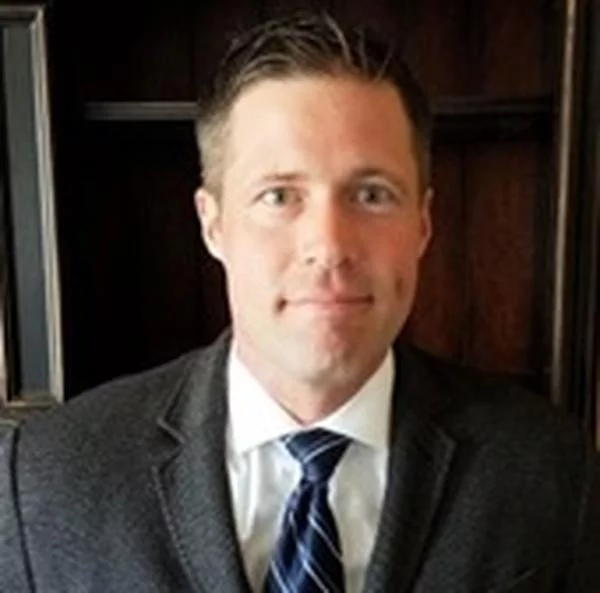
Trevor J. Manthey, Ph.D., LMSW, MINT, CEBP
Trevor Manthey is a behavioral health trainer, and organizational leader with more than 20 years of experience specializing in trauma‑informed practice. He has provided direct services to individuals, couples, families, and youth affected by complex trauma and chronic stress, and has trained thousands of professionals across healthcare, human, social and justice services systems. His work centers on translating evidence‑based principles into practical strategies, strengthening the workforce, and helping organizations build sustainable, trauma‑responsive cultures.Dr. Manthey has delivered training to a wide range of audiences, including community mental health agencies, ACT and IDDT teams, child welfare programs, school districts, private schools, peer support centers, vocational rehabilitation programs, college counseling centers, regional support networks, state attorney general’s offices, corrections and juvenile justice teams, and parenting support groups. His training experience spans both the United States and international settings.
Trevor holds a BS in Psychology with a minor in Business Management, an MSW, and a Ph.D. from the University of Kansas. He has also earned his Certification in Evidence-Based Practice (CEBP).
** Program subject to change without notice
Event Details
| Event Date | 02/11/2026 |
| Event End Date | 02/12/2026 |
| Cut off date | 02/16/2026 |
| Individual Price | Free |
| Speaker | Trevor J. Manthey, Ph.D., MINT, CEBP |
| Number Hours | 14 |
| Location | Online Event |